Project
Inkpod
2022

On this page Overview
At our inception in 2016, uORocketry, or uOSTAR (University of Ottawa Student Team of Aeronautics and Rocketry) at the time, was focused on developing a hybrid engine.
The first hybrid engine underwent static fire in just 6 months after the team’s foundation, with our founding members personally funding this project.
In 2019, a second generation of our hybrid engine was developed. However, we were hit hard by COVID, and this engine was never completed.
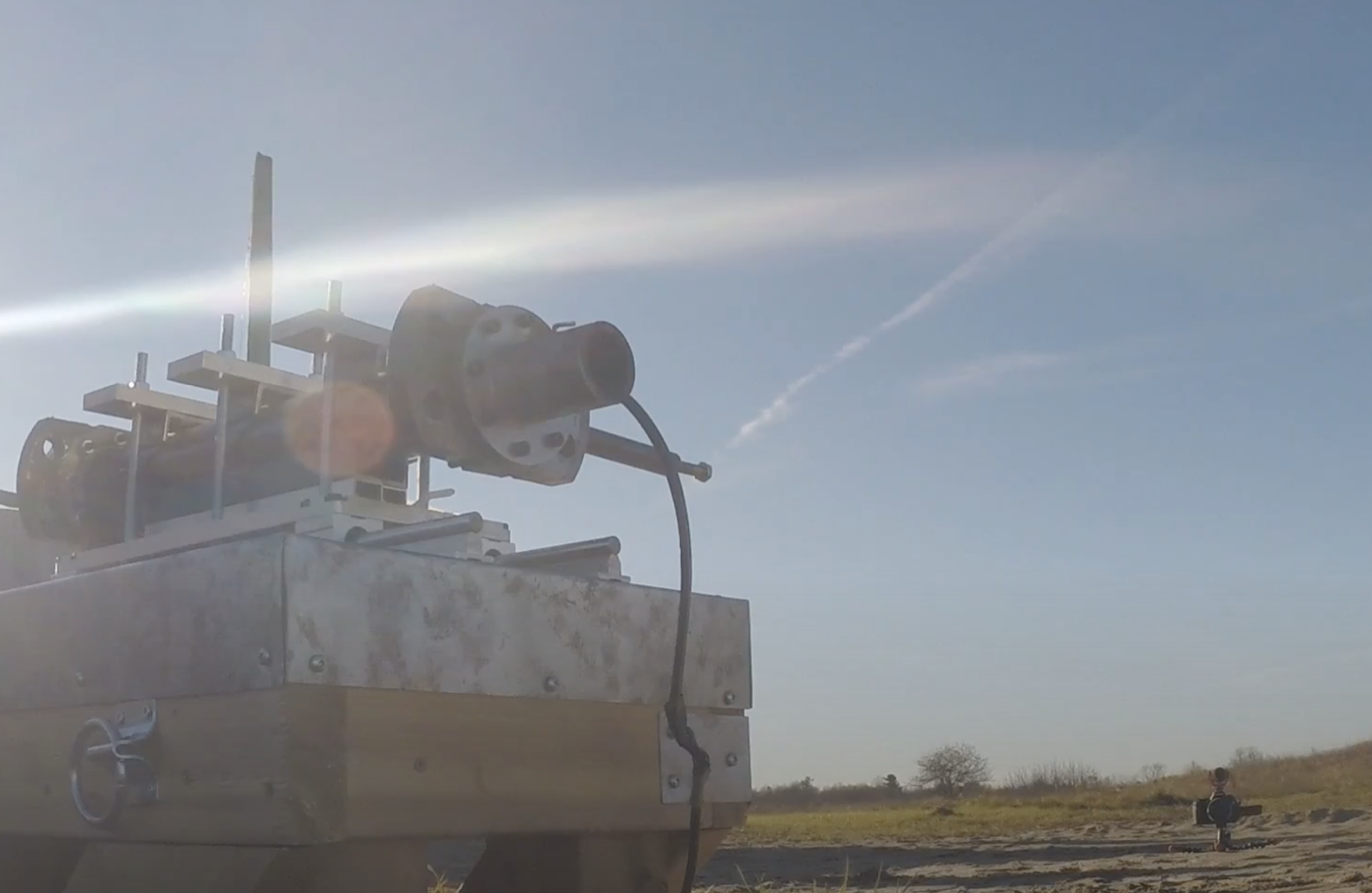
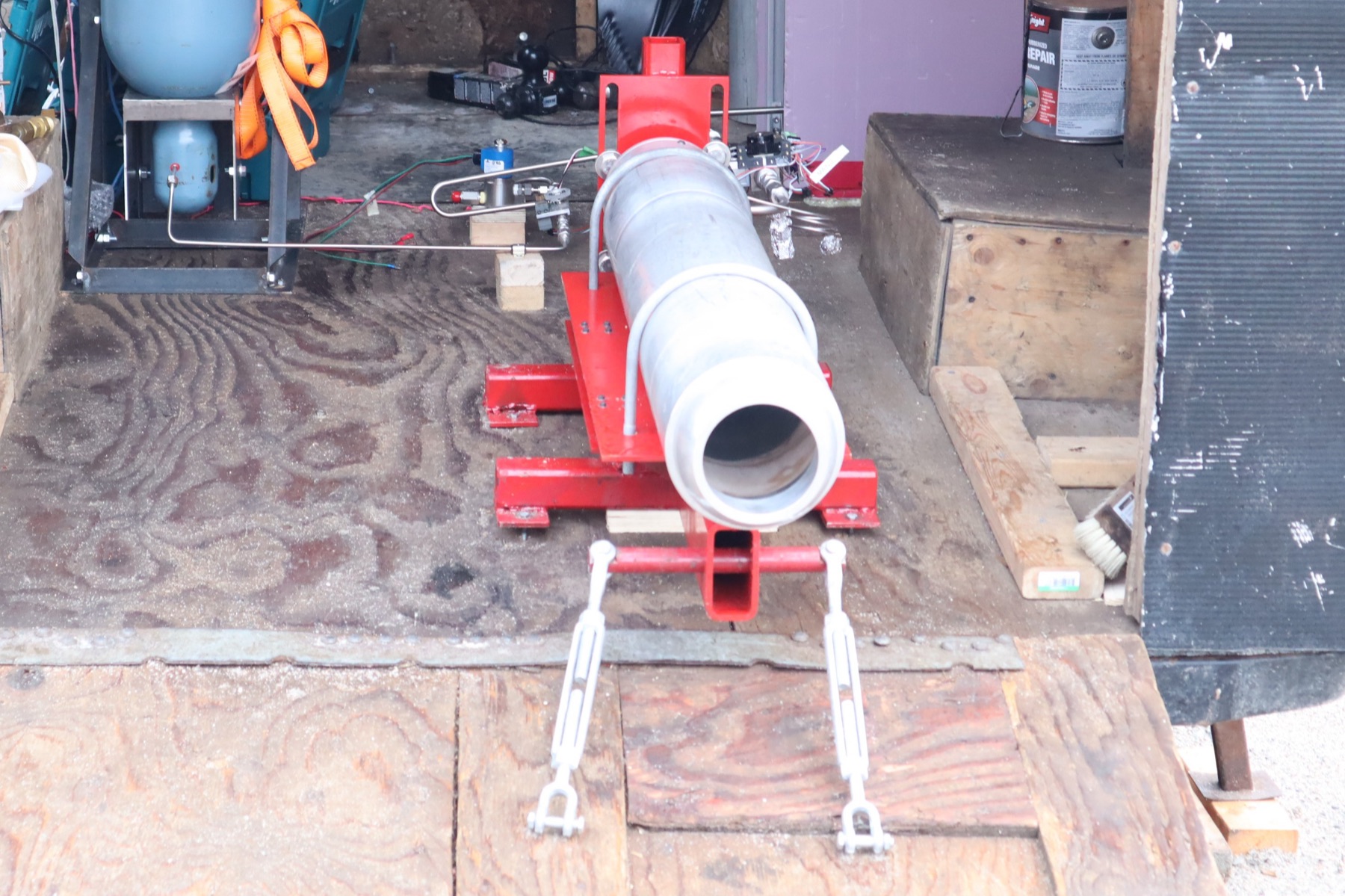
Thankfully, in 2020, we began developing our third hybrid engine—Inkpod, aimed to burn nitrous oxide and paraffin wax with additive to improve regression. For the next two years, we carried out two cold flows with Inkpod and continued to refine our designs.
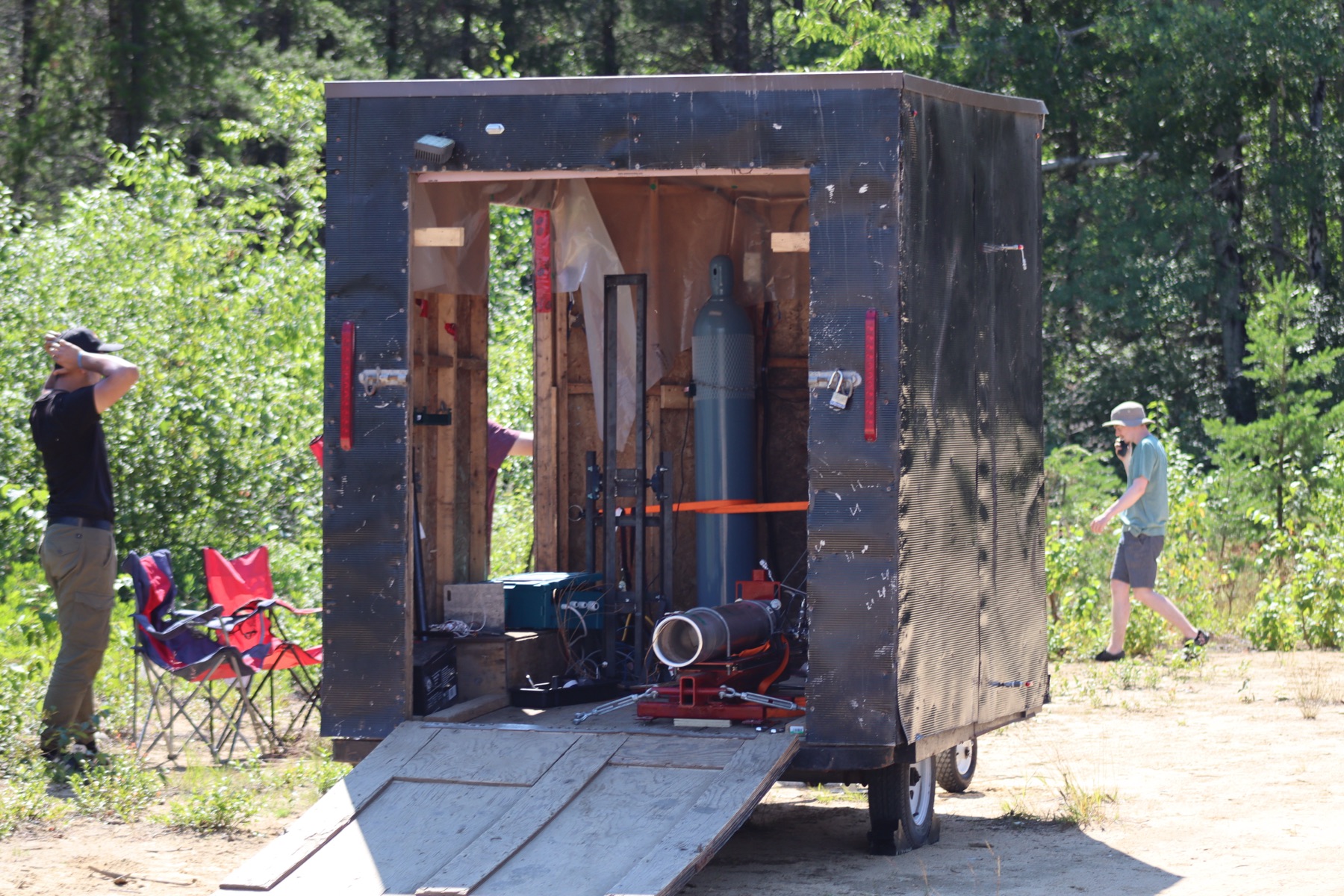
The team also moved away from Spaceport America Cup 2022 and focused on supporting the Canada-based competition, the Launch Canada Challenge. At LC22, due to technical difficulties, we pivoted our hot fire demonstration to a cold flow demonstration, which yielded nominal results!
Inkpod also served as the basis for the scrapped Rocktopus rocket. Rocktopus was designed during COVID and was meant to house the Inkpod hybrid engine and an E. coli experiment developed with the Faculty of Biology. With a shift in design focus to Gee-Force One, the essence of Rocktopus lives on as our CAN-RGX entry.
Since then, we have altered our propulsion target to a liquid engine, which serves as our current two-year plan to incorporate Incendium Terrae into a full liquid engine rocket. See Current Projects.
System architecture
- Combustion chamber
-
- Bell-contour nozzle
- Phenolic canvas insulation
- Aluminum 6061-T6 combustion chamber
- Injector
-
- Aluminum injector plates
- Designed for a 1.2 kg/s mass flow rate
- Propellant and pressurant tanks
-
- 18 L oxidizer tank designed for 7.1 MPa
- Aluminum 6061-T6 tank end caps
- Hydrostatically tested to 14.2 MPa
- Propellant feed system
-
- COTS Swagelok equipment, primarily stainless steel 316
- Aluminum 6061-T6 oxidizer run tank and injector manifold
- Modified PTFE and UHMWPE ball-valve seals
- PTFE and Viton solenoid vent-valve seals
- Designed for 0.5 MPa total pressure loss
- Fuel grain
-
- 79% paraffin wax
- 20% aluminum
- 1% carbon black
- Ignition system
-
- Potassium nitrate (KNO3) and sugar
- 1,300-1,500 °C
- Avionics
-
- Controls the valves and propulsion system remotely
- Ignites and controls the engine
- Provides live data and video
- Places the experiment in a safe state when powered off
- Records test data with Rocket-Code on a Raspberry Pi 4 and IO Proxy
- Thermocouples, pressure transducers, and a load cell
Project gallery